



















It seems like the teased Horizon OS headsets from Asus ROG and Lenovo won’t be shipping after all.
In a statement to Road to VR, Meta says it has “paused the program to focus on building the world-class first-party hardware and software needed to advance the VR market”.
“We’re committed to this for the long term and will revisit opportunities for 3rd-party device partnerships as the category evolves”, the statement continues.
Meta Horizon OS Will Run On Headsets From Asus & Lenovo
Meta is rebranding its Quest software platform to Meta Horizon OS and opening it up to third-party headset makers, including Asus and Lenovo.
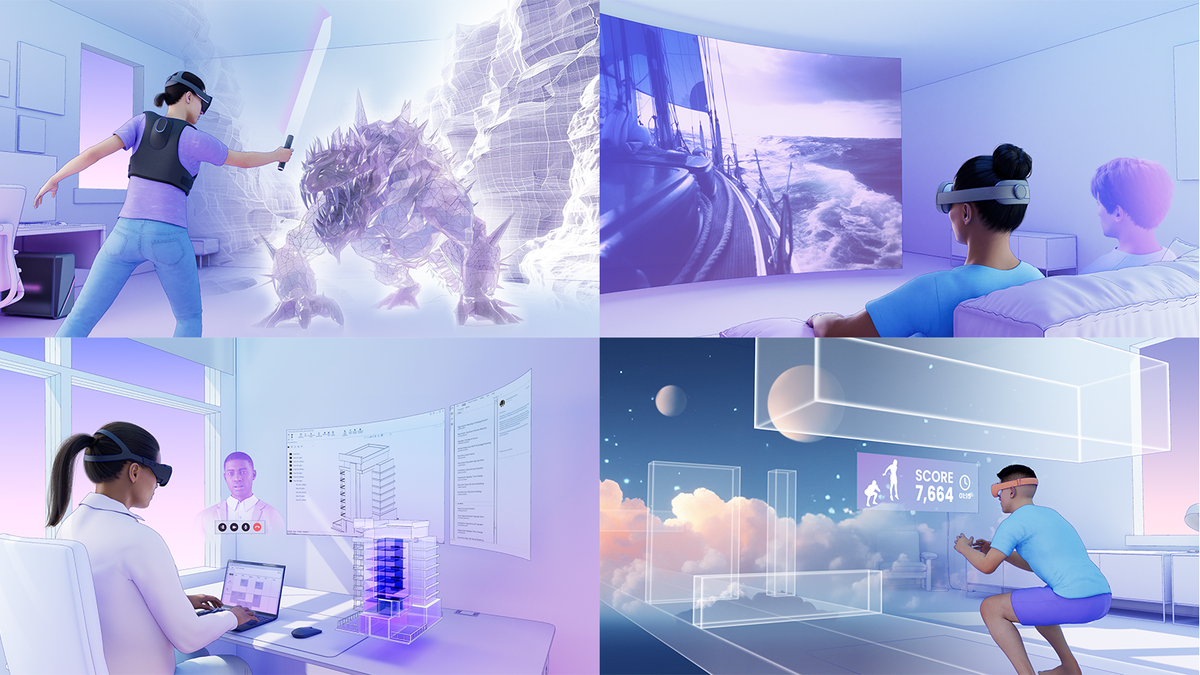
The news comes just under 20 months after Meta officially announced that third-party headsets running Quest’s operating system, which it branded Horizon OS, were in the works.
At the time, Meta said Asus was working on a “performance gaming headset” under its ROG brand, while Lenovo was working on “a line of headsets” for “productivity, learning, and entertainment”.
We heard nothing official about the Asus ROG headset after this point, though a rumor back in January suggested that it would have face and eye tracking and use either QD-LCD panels with local dimming or micro-OLED displays.
Meanwhile, around a year ago at Lenovo Tech World 2024, the company confirmed that it was still working on its Horizon OS headset.
Meta Confirms “Shifting Some” Funding “From Metaverse Toward AI Glasses”
Meta has officially confirmed “shifting some of our investment from Metaverse toward AI glasses and Wearables”, following reports of an up to 30% budget cut for parts of Reality Labs.
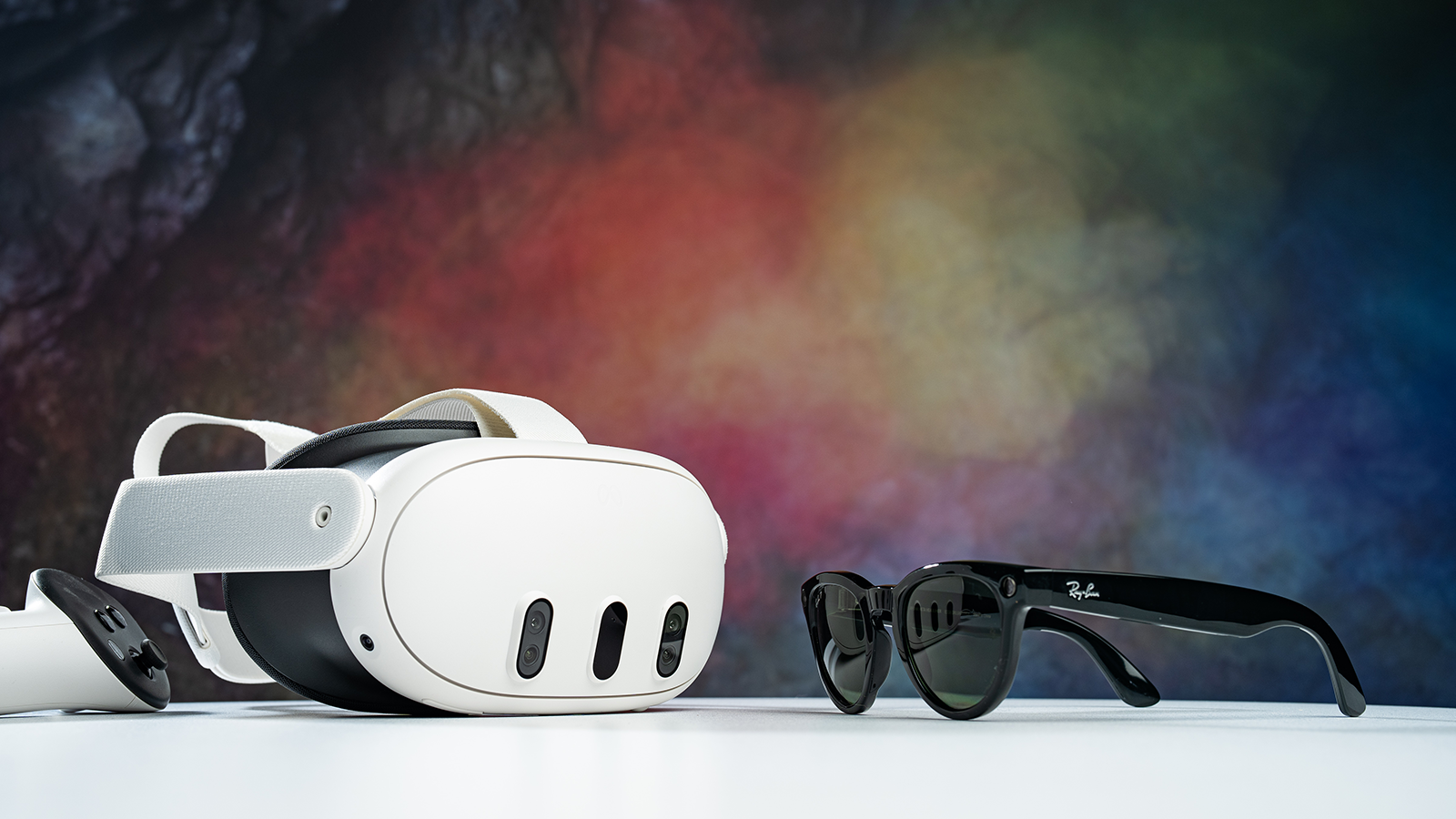
The decision to “pause” the program for third-party Horizon OS headsets may have come alongside the wider cuts to the VR and Horizon Worlds teams at Meta, widely reported by outlets like Bloomberg, The New York Times, The Wall Street Journal, and Business Insider earlier this month.
Shortly after those reports, Meta issued an official statement confirming “shifting some of our investment from Metaverse toward AI glasses and Wearables”.
Today’s news doesn’t mean the end of Horizon OS headsets, though, just that they won’t be coming from third parties – at least not any time soon.
Meta’s statement mentions building “world-class first-party hardware” for VR, and leaked memos from earlier this month reveal that the company is actively working on at least two Horizon OS products.
Meta Delays Ultralight Headset, Starts Work On Gaming-Focused Quest 4
Meta is delaying its ultralight headset with a tethered puck to the first half of 2027, and, separately, starting work on a gaming-focused Quest 4, leaked memos reveal.

According to those internal memos, Meta plans to launch its rumored ultralight “mixed reality glasses” headset with a tethered compute puck in the first half of 2027, and recently started work on a gaming-focused Quest 4 set to be a “large upgrade” over Quest 3, though at a higher price.
Given this timeline, Quest 3 owners hoping for a direct upgrade within the Horizon OS ecosystem could be waiting another two or three years, meaning Quest 3 would end up being Meta’s all-in-one flagship for four or five years without a direct successor. And when that successor does arrive, it’s set to have a notably higher price.
Google’s Android XR Takes The Stage
The news of the “pause” of the third-party Horizon OS hardware program comes just over a month after Lynx revealed that Google terminated its Android XR deal.
Lynx was one of the three additional companies, after Samsung, that Google said were working on an Android XR device when the operating system was announced late last year, the other two being Xreal and Sony.
First Clip Of Xreal’s Project Aura Android XR Device In Use Revealed
The first real clip of Xreal’s Project Aura has been revealed. With a 70° FoV and tethered puck, it’s set to be the second Android XR device when it arrives next year.
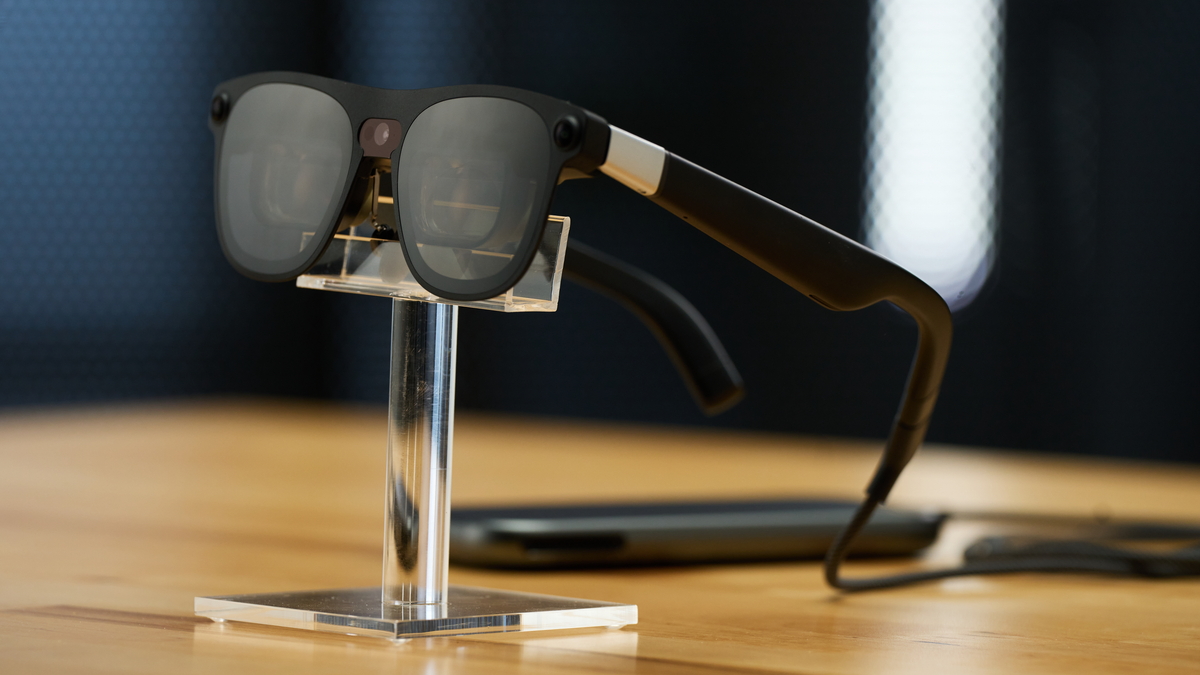
When asked about the Lynx termination, Google told UploadVR that it’s still working with Xreal and Sony, and last week it and Xreal confirmed that Project Aura is still on track to launch in 2026 as the second Android XR headset.
With Meta’s Horizon OS now unavailable for third-party hardware, it seems we can expect any future entrants to the standalone headset market to use Google’s Android XR instead.
Source link
#ThirdParty #Horizon #Headsets #Including #Asus #ROG #Seemingly #Canceled